
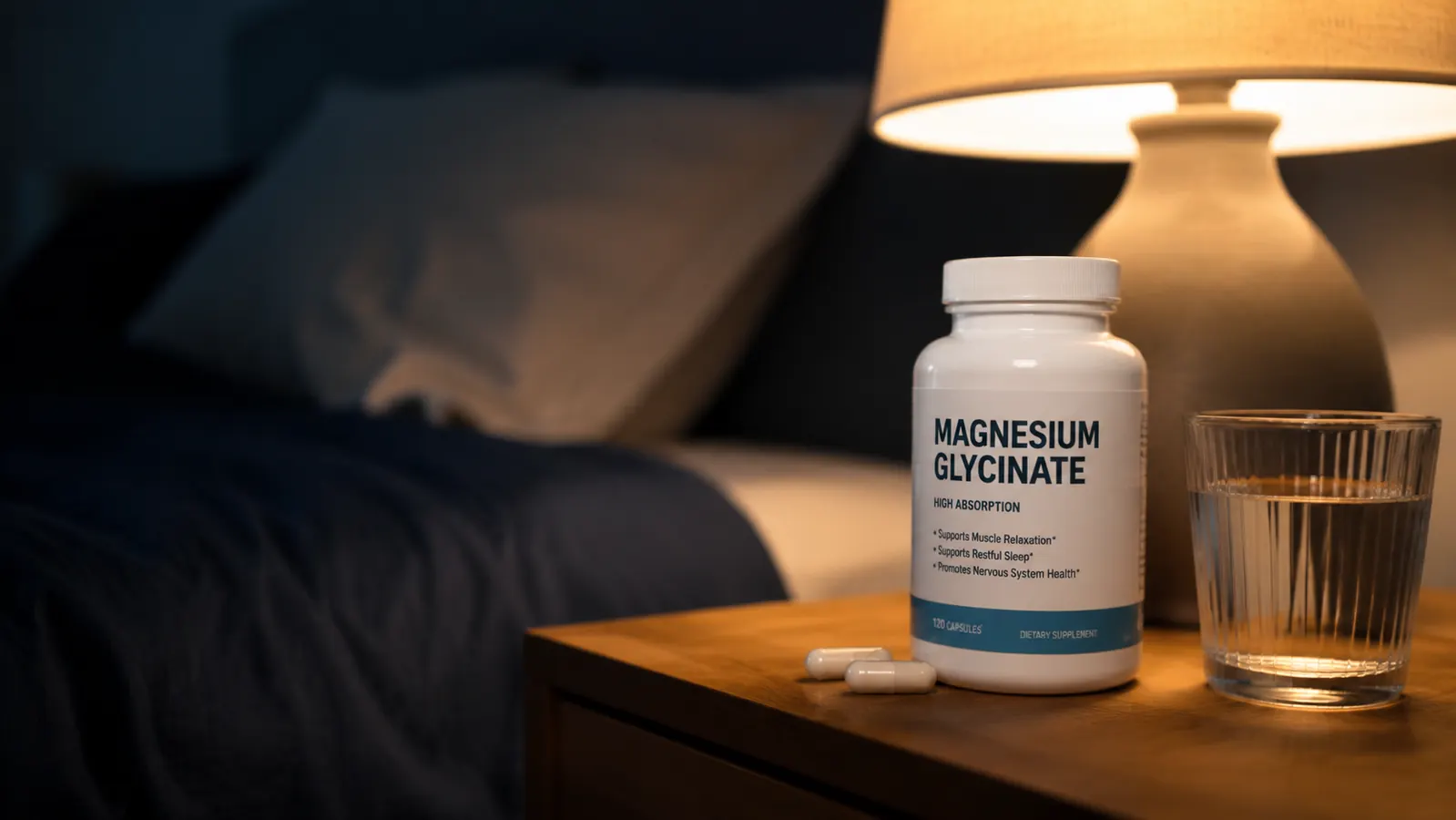
I am 57, I sleep alone, and I have been testing sleep accessories since my last kid left for college four years ago. I have tried cooling mattress pads, blackout curtains, knee pillows, and about a dozen supplements. Most of them I sent back. Pure Encapsulations Magnesium Glycinate is one of the three I kept. I started taking it in March of this year and I did not write a single word about it for eight weeks because I wanted to know if it actually held up, not just if I felt good about it on day two.
The short version: something did shift, especially around week three, and it has stayed shifted. The longer version is what you are here for, so let me walk through exactly what I noticed, what did not change, and who I think this supplement genuinely makes sense for.
The Quick Verdict
A clean, well-absorbed magnesium supplement that noticeably softened my tension-driven middle-of-the-night waking after about three weeks of consistent use. The price is real, but so are the results.
Amazon Check Today's Price →Still waking up at 2 a.m. with no good reason? Magnesium deficiency is more common than most people realize after 50.
Pure Encapsulations is one of the most trusted hypoallergenic supplement brands on the market. No fillers, no artificial coatings, third-party tested. If you have already tried melatonin and found it either knocked you out or left you groggy, this is worth reading about before you try anything else.
Amazon Check Today's Price on Amazon →How I Have Been Using It
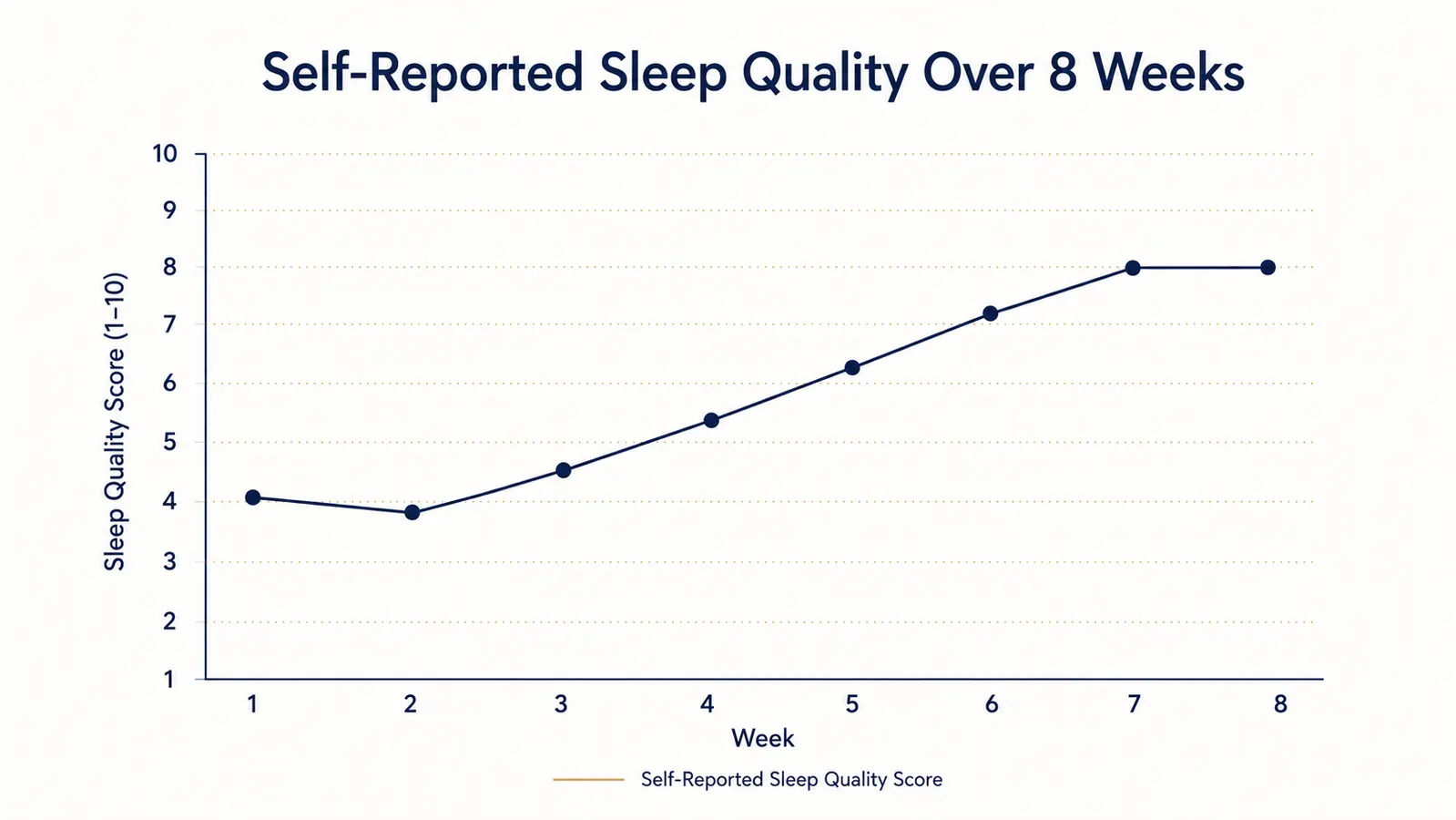
Two capsules, every night, about 45 minutes before I planned to be in bed. I did not change my diet, caffeine habits, or bedtime routine during the eight weeks. I wanted to isolate the variable. I kept a plain notebook next to my bed and scored my sleep each morning on a simple one-to-ten scale: how rested I felt, whether I remembered waking up, and if so, how long it took me to fall back asleep. That is it. Nothing fancy, no wearable, just honest morning notes.
I weigh 152 pounds. I have no diagnosed deficiencies, but I do not eat a lot of dark leafy greens or nuts, which are the main dietary sources of magnesium. My doctor knows I am taking this and raised no concerns. I want to be upfront that I am sharing my personal experience, not medical advice. If you have kidney issues or are on certain medications, talk to your doctor before starting any magnesium supplement.
For the first two weeks I noticed essentially nothing worth writing down. Week three is when things started to feel a little different. I was not falling asleep faster, but when I did wake up at 2 or 3 a.m., which used to happen three or four nights a week, I seemed to drift back down more quickly. The nights where I lay there staring at the ceiling for 45 minutes became less frequent. By weeks five and six it felt like a new baseline.
What Makes Magnesium Glycinate Different From Other Forms
Magnesium comes in several forms and they are not interchangeable. The oxide form, which is cheap and common in drugstore multivitamins, has poor absorption and tends to cause digestive upset. Citrate absorbs better and is what most people mean when they talk about Natural Calm powder. Glycinate is magnesium bound to glycine, an amino acid that has its own calming properties. The combination absorbs well, is gentle on the stomach, and is less likely to cause the loose stools that some people get from higher-dose magnesium citrate. That is the main reason glycinate is the form practitioners often recommend specifically for people using magnesium to support relaxation and sleep.
Pure Encapsulations in particular stands out because their manufacturing is designed for people with sensitivities. No wheat, gluten, eggs, dairy, soy, or tree nuts. No artificial colors or coatings. They are NSF certified and the brand is frequently recommended by functional medicine doctors because the formulas are clean and the stated dose is what you actually get in the capsule. That matters more than most labels admit.

What Changed Over Eight Weeks (and What Did Not)
Let me be specific because vague claims are useless to you. What improved for me: middle-of-the-night waking became less frequent and shorter when it did happen. I also noticed that I was less tense when I got into bed. I used to lie there with my jaw tight and my shoulders up near my ears without realizing it. That physical tension seemed to soften. I do not want to overstate this. It was subtle, not dramatic. But it was consistent enough across eight weeks that I believe it is the supplement and not just a good month.
What did not change: time to fall asleep on the initial attempt. If something was on my mind, I still had to deal with that. Magnesium glycinate is not a sedative and does not work like one. I also did not notice any change in dream vividness or how early I woke up naturally. My 5:45 a.m. internal clock is still running right on schedule whether I like it or not.
The nights where I lay there staring at the ceiling for 45 minutes became less frequent. By weeks five and six it felt like a new baseline. I wish someone had told me to wait three weeks before judging it.
The other thing I noticed, and this surprised me, was that my legs felt less restless at night. I do not have a restless leg diagnosis but I have had that fidgety, uncomfortable sensation when I first get into bed for years. It was not gone entirely, but it was noticeably better from about week four onward. Magnesium plays a role in muscle function and nerve signaling, so this tracks, though I will be careful not to claim more than my personal experience supports.
Ingredient Deep Dive: Is the Price Justified?
Each serving of Pure Encapsulations Magnesium Glycinate is two capsules delivering 120 mg of elemental magnesium. The Recommended Dietary Allowance for women over 51 is 320 mg per day, which means this supplement is designed as a complement to dietary intake rather than a total replacement. A 90-capsule bottle gives you 45 days of use at the two-capsule serving. At today's price that works out to slightly over a dollar a day. That is more than a generic magnesium oxide from a dollar store and less than most other premium brands selling the same form.
What you are paying a premium for is the form, the purity, and the certification. If you are someone who has sensitivities to fillers or additives, or if you have tried cheaper magnesium and gotten an upset stomach, the Pure Encapsulations version makes a lot of sense. If you have no sensitivities and are not bothered by basic capsule coatings, a well-reviewed glycinate from a brand like Doctor's Best at roughly half the price is also a reasonable option. I chose Pure Encapsulations because I wanted to eliminate variables and I have no regrets about that, but I am also honest enough to say you have options.

The Downsides Worth Knowing
The capsules are on the larger side. They are standard size 0 vegetarian capsules, which is pretty typical for supplement brands, but if you have trouble swallowing pills this may be an inconvenience. You cannot easily split or crush them without losing the vegetarian capsule shell, though the powder inside is reportedly tasteless and could be mixed into water if that is an issue for you.
The 120 mg per serving dose is conservative. Some people taking magnesium glycinate for sleep use up to 200 or 300 mg of elemental magnesium, which would mean three to five capsules of this product. That gets expensive fast. If you find that two capsules do not do much for you after four to six weeks, you would either need to take more capsules per night or consider a higher-dose glycinate from another brand. I stayed at two capsules for the full eight weeks and it was enough for me, but I am sharing the math so you can make your own call.
The third downside is that this is a slow supplement. If you are hoping for a dramatic improvement by Friday, you are going to be disappointed. My honest guidance is to commit to four weeks minimum before you evaluate it. Some people see results in week two. Some people, like me, really started noticing things in week three. And some people need six weeks. That is the nature of nutritional supplementation versus pharmaceuticals.
What I Liked
- Highly bioavailable glycinate form absorbs better and is gentler on the stomach than oxide or cheap citrate versions
- No fillers, no allergens, no artificial coatings, NSF certified for purity and label accuracy
- Noticeable softening of tension-driven middle-of-the-night waking after consistent use of three-plus weeks
- Anecdotally helped reduce restless-leg-type discomfort at bedtime
- Vegetarian capsules, easy to swallow for most people, no taste
- 4.7 stars across nearly 49,000 Amazon reviews, consistent long-term user praise
Where It Falls Short
- Slow onset, most people need three to six weeks before noticing meaningful changes
- Conservative 120 mg elemental magnesium per serving means higher-need users will go through a bottle quickly
- Price is noticeably higher than drugstore magnesium supplements
- Not a sedative, will not knock you out or replace a sleep medication if that is what you need
- Capsule size may be inconvenient for those who struggle with larger pills
How It Compares to What I Tried Before
Before this I used Natural Calm magnesium citrate powder for about six months. I liked the ritual of making a warm drink before bed but the digestive effects were unpredictable. On nights when I took a full serving I was not always comfortable by morning. The glycinate form has been completely clean for me on that front across all eight weeks, not a single issue. I also tried a standard melatonin at 5 mg for a few months and found that it worked for falling asleep but left me groggy until about 10 a.m. The magnesium glycinate does not have that hangover effect. I wake up feeling about the same as before, maybe a touch clearer, not sedated.
I have not tried Doctor's Best Magnesium Glycinate or the Thorne brand, which are the two most common comparisons you will see in reviews. My read of the ingredient panels is that Doctor's Best is a reasonable lower-cost alternative with the same chelated form. The main practical difference is that Doctor's Best uses magnesium lysinate glycinate chelate, which some users report working just as well, and it costs considerably less per capsule. If the Pure Encapsulations price is a stretch, Doctor's Best is where I would look next. The full comparison between magnesium glycinate capsules and Natural Calm powder goes into more depth on how these two popular options stack up.
Who This Is For
This supplement makes the most sense for adults over 45 who wake up in the night, lie awake tense without obvious anxiety, or feel physically restless when trying to fall asleep, and who have not gotten traction from melatonin or other basic sleep aids. It is a particularly good fit if you already eat a diet low in leafy greens, nuts, and whole grains, since most Americans are not getting close to their dietary magnesium needs. It is also a strong choice if you have food sensitivities and need something certified clean. The 4.7-star rating across nearly 49,000 reviews is not random. This is a product with a large, long-term user base and very few complaints about the product itself. Most of the lower ratings are about shipping or price, not about whether it works.
Who Should Skip It
If you have a diagnosed sleep disorder, if you struggle primarily with falling asleep rather than staying asleep, or if you are looking for something that works fast, this is probably not the right starting point. People with kidney disease should not take supplemental magnesium without medical guidance, since the kidneys regulate magnesium excretion. If you are already taking a magnesium-containing supplement or antacid, adding this could push you over a comfortable range, so check your current stack first. And if the price genuinely makes you hesitant, know that a less expensive glycinate form from a reputable brand is a perfectly reasonable alternative. I am not saying spend the money if it is a stretch. I am saying if you do spend it, you are getting what you pay for. You can also read 10 reasons magnesium glycinate calms your nervous system if you want to understand the mechanism before committing, or jump into the full guide on how to use magnesium glycinate for better sleep for timing and dosage specifics.
If your middle-of-the-night waking is tension-driven rather than pain-driven, magnesium glycinate is worth a real trial, not a one-week test.
Pure Encapsulations Magnesium Glycinate has held up for me across eight weeks of consistent use. It is not a magic pill and it is not fast, but it is clean, well-absorbed, and backed by nearly 49,000 real reviews. I keep a bottle on my nightstand and I have no plans to stop.
Amazon Check Today's Price on Amazon →