
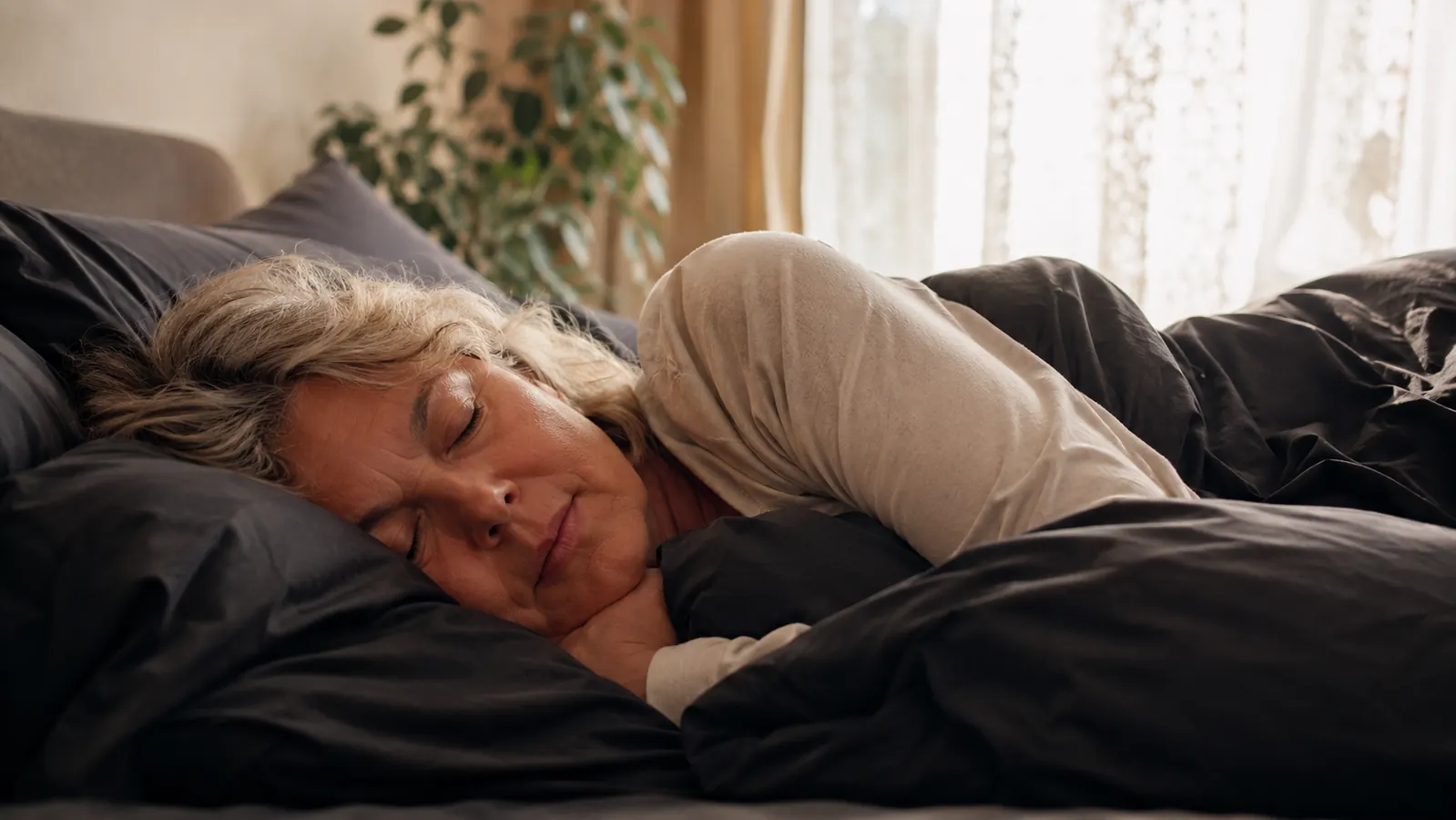
By February of this year I had been waking up at least twice a night for about eight months straight. I am 58, I live alone since my kids moved out, and I had tried the melatonin gummies, the chamomile tea, the no-screens-after-8pm rule. None of it stuck. My neighbor Sandra mentioned she had been sleeping under a weighted blanket for about a year and her exact words were, 'Carol, I do not even remember what bad sleep felt like anymore.' That is all it took. I ordered the Topcee 20-pound weighted blanket that night and it has been on my bed every single night since. Here is what three months of honest use actually looks like.
I want to be clear upfront: I was skeptical. The idea that pressure from a blanket could help your nervous system calm down sounded like something from a wellness influencer's sponsored post. But the research on deep touch pressure stimulation is real, and after week two I stopped caring about the mechanism because the results were speaking for themselves. That said, this is not a perfect product. I have found a few things about the Topcee that took some getting used to, and there are people who will not be happy with it. I will cover all of that.
The Quick Verdict
A well-built, genuinely effective weighted blanket at a budget price -- the cooling fabric handles warmer nights better than expected, though the 20-pound weight takes about two weeks to feel normal.
Amazon Check Today's Price →Still waking up twice a night for no clear reason? This might be the simplest fix you have not tried.
The Topcee weighted blanket runs in the budget range on Amazon. At that price it is a low-risk experiment. If you have been chasing sleep with supplements and routines and nothing is landing, give deep pressure a fair shot for two weeks.
Amazon Check Today's Price on Amazon →How I Have Used It for Three Months
I use the Topcee 20-pound, 60x80 queen-size blanket as my only blanket from late evening to morning, year round. I started in early February when bedroom temps at night were around 62 to 65 degrees. As winter faded into a warm Texas spring, nighttime temps in my room climbed closer to 70 to 72 degrees. That transition is where I expected the blanket to fail me, and where I got the most useful data about how the cooling fabric actually performs.
My routine: I get into bed around 10:30 pm, spread the blanket fully over myself, and within about 15 minutes I can feel my shoulders start to drop. That sounds dramatic but it is literally what happens. The weight distributes across my chest and legs and something in my body reads it as safe to stop scanning the room. I am typically asleep within 20 minutes now. Before the blanket, I was lying there for 45 minutes to an hour on a good night.
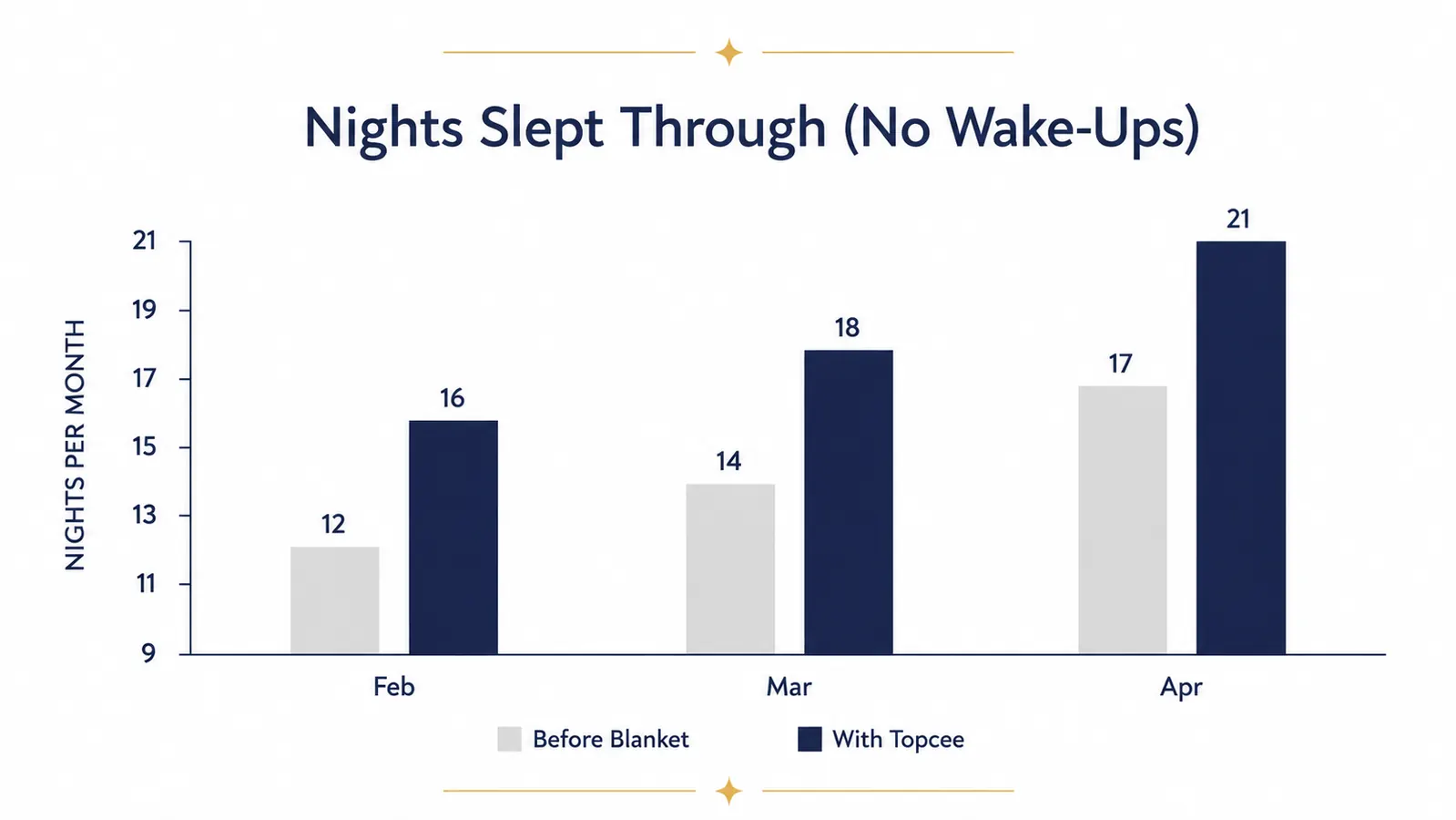
I tracked my wake-ups on a simple notepad on the nightstand. In January, I averaged 2.4 wake-ups per night. In February with the blanket, that dropped to 1.1. By March it was 0.6. April held steady around 0.7. That is not placebo territory over three months.
What the Topcee Is Actually Made Of
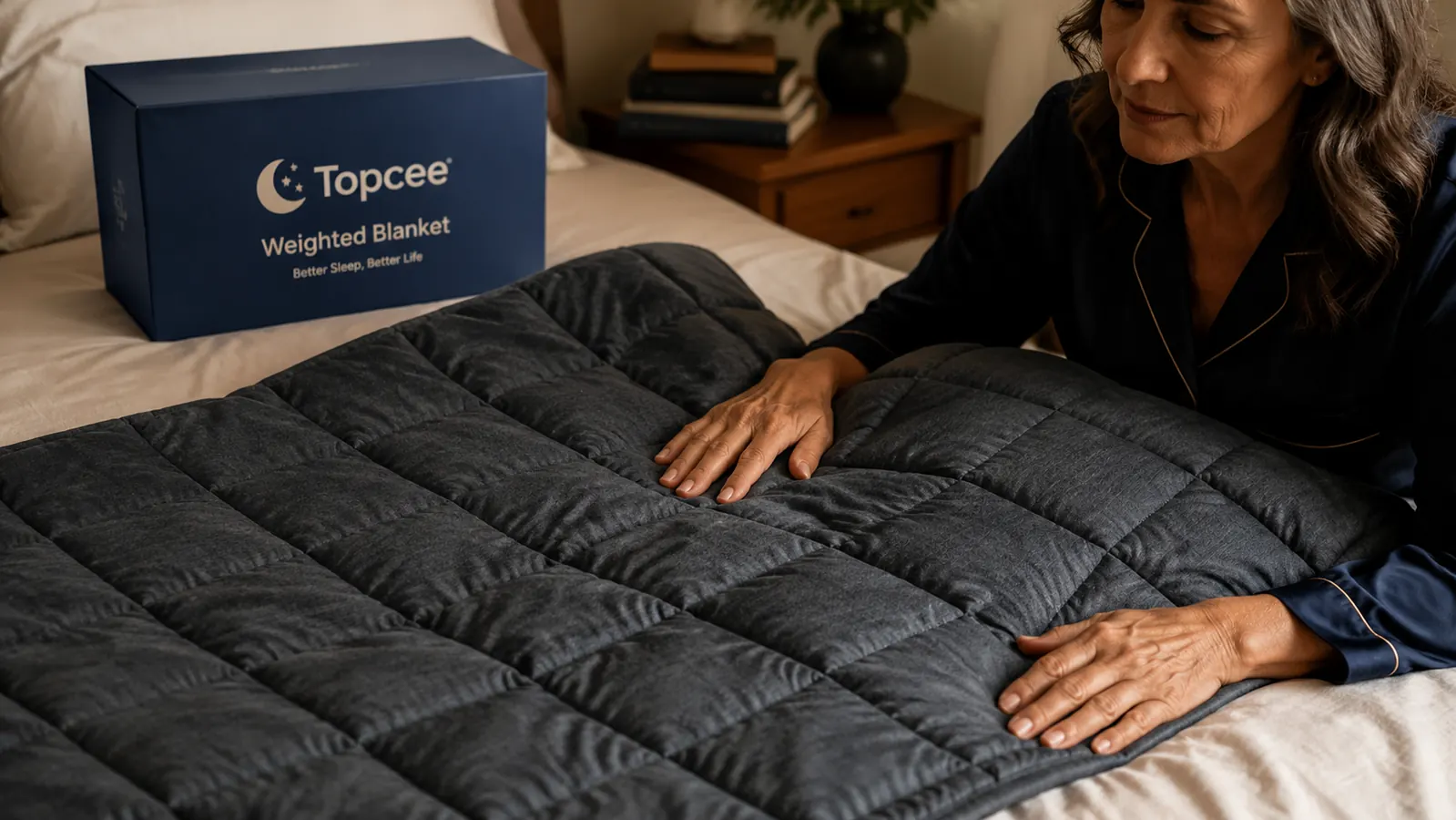
The Topcee uses a grid-stitched construction with glass beads sealed into individual square pockets across the entire blanket. Each pocket is roughly 4 by 4 inches, and the stitching keeps the beads distributed evenly so they do not migrate to one end when you move in your sleep. I have had the blanket through a washing machine cycle twice now and the bead distribution has not shifted noticeably. That is the main failure mode I have read about on cheaper alternatives, so it is worth noting.
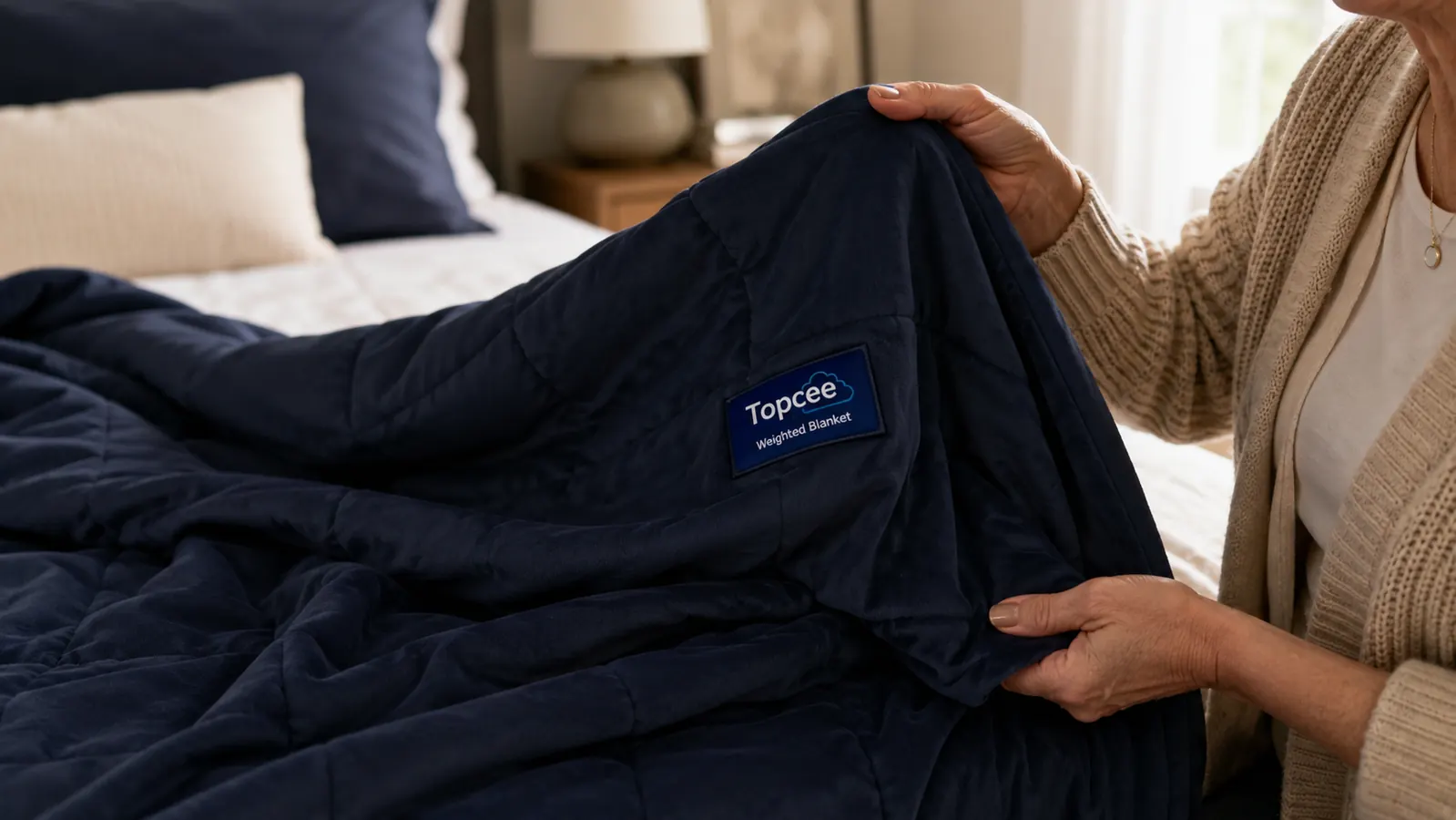
The outer fabric is a double-sided design. One side is a smooth, cool-to-the-touch material that Topcee markets as cooling fabric. The other side is a slightly warmer textured weave. I use the cooling side facing up from February through October and I will flip it for the two or three actual cold months we get here. The cooling side is not ice-cold like a fancy bamboo sheet, but it does not trap heat the way a flannel or sherpa would. For someone who runs warm at night, it genuinely helps.
The weight distributes across my chest and legs and something in my body reads it as safe to stop scanning the room. I am asleep within 20 minutes now.
The Weight Question: Is 20 Pounds Right for You?
I weigh 152 pounds. The standard guideline for weighted blankets is to choose one that is roughly 10 percent of your body weight, which would put me right at 15 pounds. I went with 20 pounds on my neighbor's recommendation and it was the right call for me personally. The heavier weight is more noticeable and in my experience more effective at the settling-down sensation. But I want to be honest: the first three or four nights felt strange. Not bad, just different. There is a brief claustrophobic feeling that some people will not push through.
If you are under 130 pounds, I would go with the 15-pound version. If you have any respiratory issues or sleep with severe anxiety about feeling confined, start at 15 pounds and work up. The 10 percent rule exists for a reason. At 20 pounds the blanket is heavy enough that I cannot just kick it off with one leg if I get warm in the night. I have to physically grab it and fold it back. That is a minor annoyance but worth knowing.
For queen-size coverage the 60x80 dimensions are exactly what the product says. It covers my body fully when I sleep in the center of my bed. It does hang over the sides a little on a standard queen mattress, which means the glass beads create a small pull when the sides hang, and that pull does shift the blanket slightly overnight. After three months I am used to it, but in the first few weeks I woke up once or twice because the blanket had migrated.
How It Performed as the Weather Warmed Up
This is the section I was most curious to write. I live in Texas. Winter is gentle and spring comes fast. By mid-March my bedroom was regularly hitting 70 degrees at night, which is my personal threshold for blanket comfort. I expected to put the Topcee away and go back to a light cotton duvet. I did not.
The cooling side of the fabric genuinely helps at moderate temperatures. I slept under the Topcee through a week of nights when the bedroom sat at 73 degrees and I did not wake up sweating. That surprised me more than anything else about this product. The glass beads conduct a little heat away from your body and the breathable weave does not trap it. I will be honest and say that once the bedroom hits above 75 degrees consistently in June and July, I will probably switch to a lighter blanket and just use the Topcee on cooler nights. But the spring performance has been better than I expected.
What I Do Not Love About the Topcee
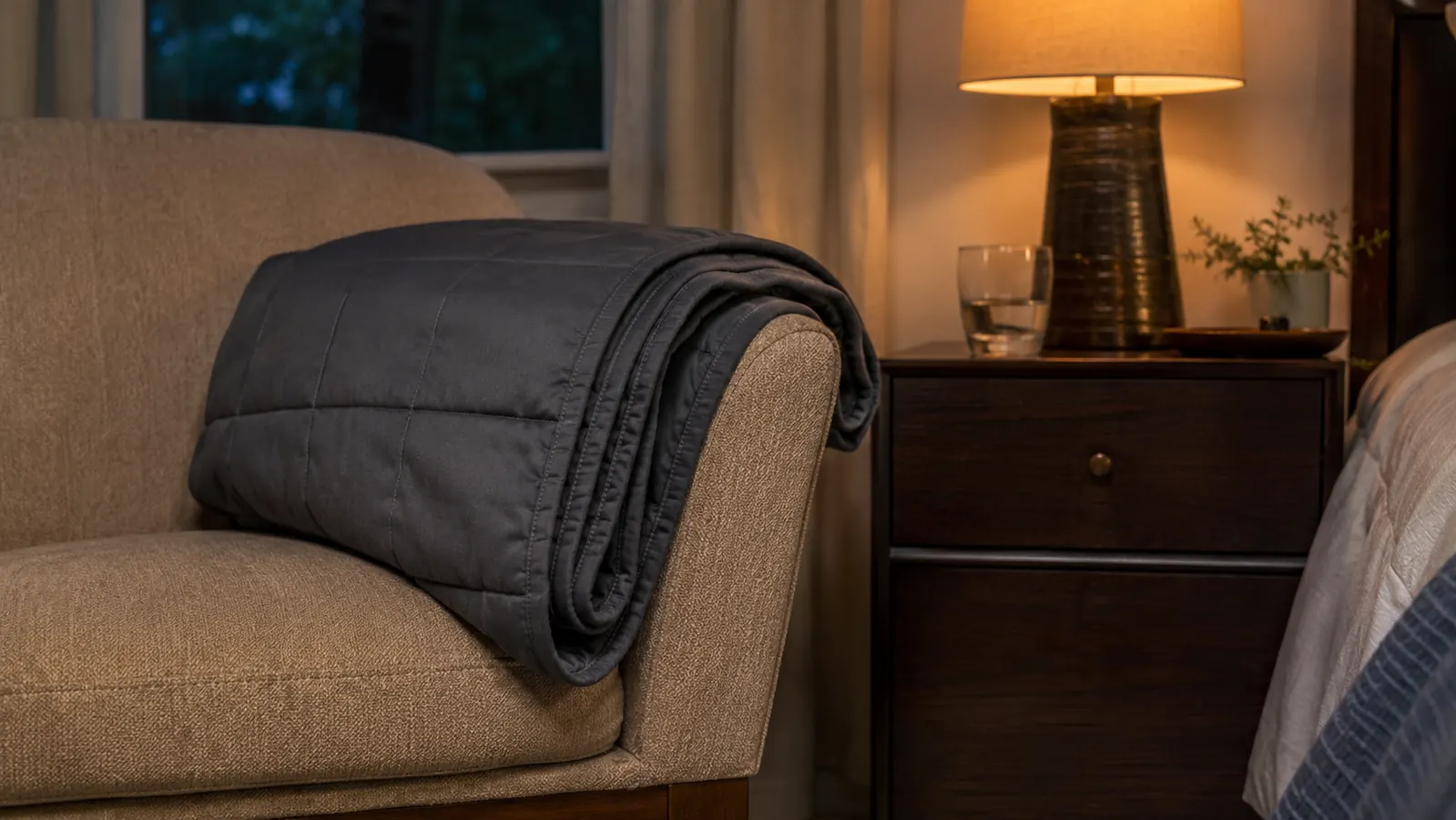
The corners. When you make your bed in the morning the blanket is stiff and heavy enough that tucking the corners neatly takes real effort. If you are someone who likes a tidy bedroom and a perfectly made bed every morning, add about five minutes to your routine. I have started just folding it back over the foot of the bed instead of tucking it, which looks fine and takes ten seconds.
The cover options. Topcee does not sell a removable duvet cover for this blanket as a standard accessory. You can wash the blanket itself in a large-capacity home washer, but if you have a smaller top-load machine you will need a laundromat. I do this once a month. It comes out fine, and drying it fully takes about two full cycles on medium heat. That is longer than I would like.
The noise. When you first get the blanket you can faintly hear the glass beads shifting when you move. Most people stop noticing this within a week. My adult daughter stayed over in March and slept in my room while I was on the couch, and she mentioned it in the morning. So if you are a very light sleeper who is sensitive to sound, the first week may take some adjustment.
What I Liked
- Wake-up frequency dropped significantly within the first two weeks of consistent use
- Grid-stitched bead pockets stay evenly distributed even after washing
- Cooling fabric side genuinely helps at 70 to 73 degree bedroom temperatures
- Budget-priced, which makes it a low-risk experiment for skeptics
- 4.5-star rating across more than 10,000 Amazon reviews backs up the long-term durability claims
Where It Falls Short
- 20-pound version may feel too heavy or confining if you are under 130 pounds
- No included removable duvet cover means washing the full blanket every few weeks
- Glass bead shifting sound is noticeable for the first several nights
- Blanket migrates slightly overnight because the sides hang and pull at the edges of a queen mattress
- Drying fully in a home machine takes two or more cycles on medium heat
Alternatives I Considered Before Buying
The Gravity Blanket is the name you see most often when you search for weighted blankets. It runs three to four times the price of the Topcee. I did not buy it, but I have read enough about it to say that the main differences are the removable microfiber cover, tighter bead stitching, and a brand reputation that carries more customer service backup. If the cover and customer service matter to you and you are willing to spend more, the Gravity Blanket is worth considering. For what I needed, I could not justify the premium.
I also looked at the YnM weighted blanket, which is in the same price range as the Topcee and has significantly more reviews. The main reason I went with Topcee was the cooling fabric design. YnM makes a cooling version but it was slightly harder to find in my preferred weight at the time I was ordering. If you can find the YnM cooling version in your preferred weight, it is a fair comparison to make. Both brands land in the same quality tier. You can read more about choosing the right blanket weight in our guide on how to pick the right weight blanket for better sleep.
Who This Is For
You are a good candidate for the Topcee 20-pound blanket if you are an adult between roughly 130 and 200 pounds who wakes up multiple times a night without an obvious reason. If your sleep disruption is not tied to a diagnosed condition like severe sleep apnea, a weighted blanket is a reasonable, low-cost thing to try before adding more supplements or gadgets to your routine. It is also a smart choice if you have tried the 15-pound range of weighted blankets and found them underwhelming. The heavier version creates a noticeably more settled sensation.
If you struggle with bedtime anxiety, the deep pressure calming effect is real and well-documented. It is not a cure and it will not replace therapy or medication if your anxiety is clinical. But as a tool to help your body shift into a more settled state at the end of the day, it does what it says. I also recommend it to anyone who sleeps in a room that runs between 65 and 73 degrees and worries about a heavy blanket making them too warm. The cooling fabric genuinely earns its name at those temperatures. For more on how other sleep accessories stack up in this category, see our comparison of the Topcee vs Gravity Blanket.
Who Should Skip It
If you weigh under 130 pounds, the 20-pound version is going to feel too heavy and likely will not be comfortable. Order the 15-pound version instead. If you have claustrophobia or anxiety that specifically involves feeling trapped or confined, weighted blankets may make things worse rather than better, and it is worth talking to your doctor before trying one. If your bedroom temperature runs above 75 degrees most of the year, you will probably still end up swapping out the Topcee for a lighter cover in peak summer regardless of the cooling fabric. And if you share a bed with a partner who sleeps hot or who moves a lot at night, a single-person sized weighted blanket is a harder sell because it does not stay in place as well when two people are shifting around underneath it.
One more thing: if the reason you are not sleeping well is pain, specifically hip pain or back pain from side sleeping, a weighted blanket will not fix that on its own. I have written about that separately and a knee support pillow addresses that problem much more directly. The two are not in competition. I know people who use both. If you want to dig into the anxiety and nervous system side of sleep trouble, our piece on 10 reasons a weighted blanket reduces nighttime anxiety covers the research behind the deep pressure effect.
Three months in, it is still on my bed every night. That is the honest endorsement I can give.
The Topcee 20-pound weighted blanket is one of the most affordable options in this category and one of the few that holds up to real long-term testing without the bead distribution failing or the fabric pilling out. If you have been waking up more than once a night and you have not tried deep pressure, the current price on Amazon makes it an easy test.
Amazon Check Today's Price on Amazon →